Attention declined during long visits
Child-cognition research and field observation both pointed to fatigue and increasingly rushed viewing.
A parent-child cultural learning system that turns a long museum visit into short, story-driven moments of discovery.
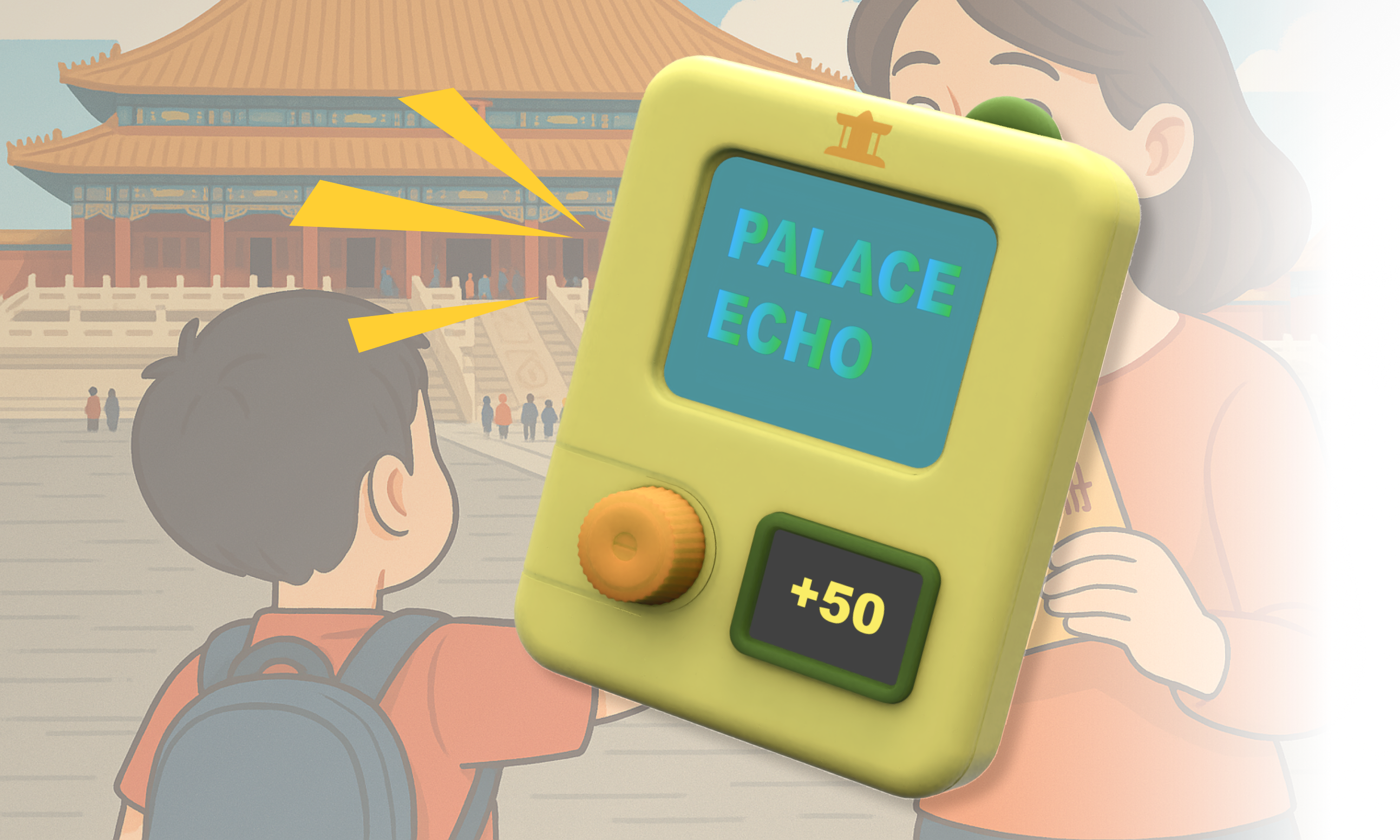
I conducted on-site family research, synthesized child and parent needs, and designed the service system, physical device, guidebook and end-to-end experience.
Concept proposal, physical device model, parent guidebook and complete UX/service design.
TARGET USERS
Long routes, specialist interpretation and passive media make children lose attention while parents struggle to turn cultural relics into a shared learning experience.
Children showed little interest in text or audio explanations and struggled to understand artifacts in depth.
Replace abstract interpretation with concrete, multisensory stories.
Handheld story interactions with sound, animation and alternative endings.
Attention declined after 20–30 minutes and families became tired along the long central route.
Break the journey into achievable local goals every 10–15 minutes.
Fresh Points, route milestones and immediate rewards.
Parents wanted learning and interaction but lacked the historical knowledge to explain specialist signs.
Give parents a supporting role instead of making them the sole guide.
A guidebook with story context, prompts and questions.
Children remembered attractive forms but quickly forgot the meaning behind the artifacts.
Make exploration and recall visible across the whole visit.
Points, badges, souvenirs and an online journey record.
CONTEXTUAL FIELD STUDY
As new-generation parents reshape parent-child travel, on-site observation and family interviews exposed a two-sided problem: children needed concrete, active discovery while parents needed accessible knowledge and reasons to interact.
Child-cognition research and field observation both pointed to fatigue and increasingly rushed viewing.
Passive explanations, physical fatigue and difficulty understanding artifacts in depth repeatedly appeared.
Children wanted playful discovery; parents wanted meaningful learning but lacked accessible historical support.
FAMILY INTERVIEWS · THREE REPRESENTATIVE GROUPS
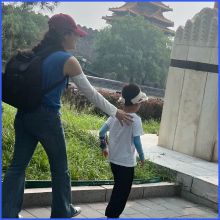 01
01“Parent: He always runs away impatiently when I explain the sign. Child: I have been here several times, but I can't remember much about the cultural relics.”
Turn sign-based interpretation into short, concrete interactions that children can actively complete.
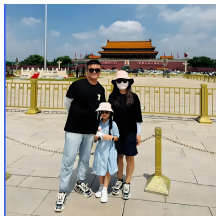 02
02“Parent: We did not have any knowledge of history, so we toured almost independently. Child: The artifacts were unique and beautiful, but I forgot the explanation later.”
Support parents with simple story context while connecting attractive forms to memorable meanings.
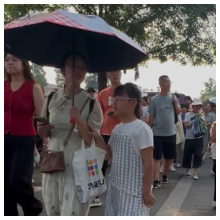 03
03“Parent: It is impossible to pay attention to every cultural relic site. Child: Later I was really tired and dizzy, so I just rushed through it.”
Use local goals and flexible routes to preserve attention across a physically demanding visit.
A directional on-site study with approximately ten parent-child groups at the Forbidden City; the three interviews below represent local and non-local family perspectives.
SYSTEM ARCHITECTURE
A complete personal-project concept spanning field research, a physical handheld-device model, parent guidebook, route UX, online follow-up and an operational service blueprint.
Children receive the device while parents receive a supporting guidebook.
SERVICE CONCEPTFamilies select the palace area and cultural relic themes they want to explore.
UX DESIGNEDLocation-based milestones divide the long central axis into smaller goals.
ROUTE DESIGNEDChildren watch, listen and turn the physical knob to choose different endings.
DEVICE CONCEPTParents use guidebook prompts to answer questions and connect the story to history.
GUIDEBOOK DESIGNEDPoints, souvenirs, badges and online records sustain memory and future exploration.
SERVICE LOOPDESIGN EVIDENCE
The concept translates research into a physical interaction, a parent support tool and a cross-channel journey from rental to online recall.
Child and parent personas capture the linked goals of playful discovery, accessible cultural knowledge and shared family interaction.
The map connects children, parents, rental, story interactions, rewards, return points and future online exploration.
Sketch iterations define a child-friendly handheld form, screen, pushable control, story-selection knob and visible point feedback.
The guidebook gives parents concise historical context and prompts so they can participate as co-explorers and educators.
The blueprint aligns child and parent actions with device behavior, rental operations, location recognition, point storage and online engagement.
One story route with device rental, a Fresh Point interaction, alternative story endings, points, a parent guidebook and an end-of-visit reward.
Map guidance, expanded story routes, a larger content library, online virtual tours and full on-site operations.
Concept feedback identified two priorities: freer map-guided exploration for children and guidebook content that feels as engaging as the device interaction.
CONCEPT PROTOTYPE & FEEDBACK
The film shows how a family rents the device, reaches a cultural Fresh Point, triggers an interactive story, earns points and continues the experience through parent-child explanation and online records.
Watch on YouTube ↗The Bilibili edition offers the same project film through a playback option designed for viewers in mainland China.
Watch on Bilibili ↗Five storyboard moments turn rental, discovery, interaction, explanation and rewards into one understandable family journey.
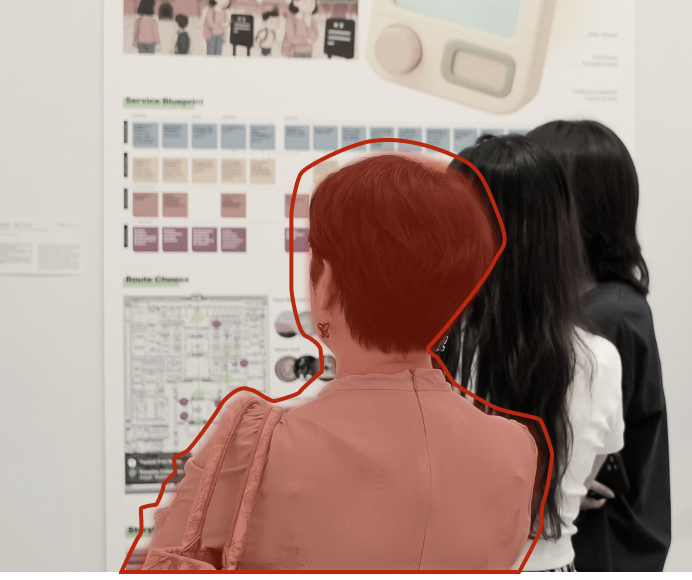 02.2
02.2Children valued learning through interactive stories and asked for map guidance to support freer, more independent exploration.
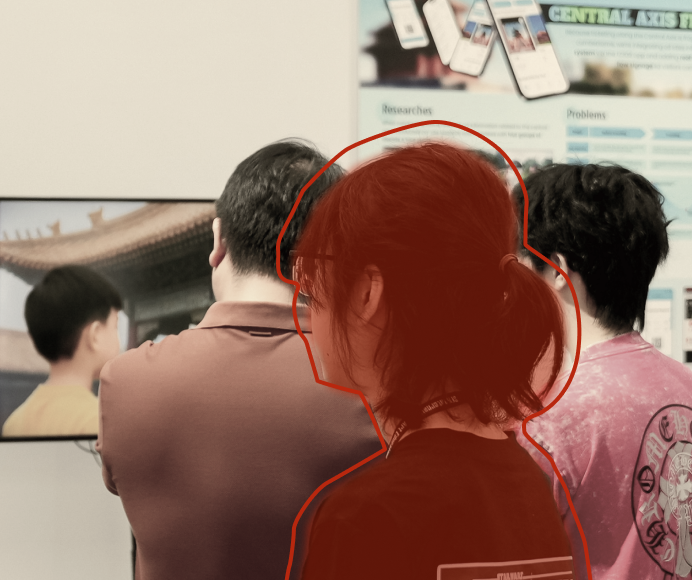 02.3
02.3Parents said the guidebook improved their cultural knowledge and created more opportunities to interact with their children.
Children responded to story-based interaction and wanted more navigational freedom. Parents valued the guidebook as a way to build knowledge and participate as educators, while asking for its content to become as engaging as the device experience.
Add map guidance for independent exploration, align the guidebook's tone with the device stories and expand the Fresh Point content across additional Forbidden City routes.